
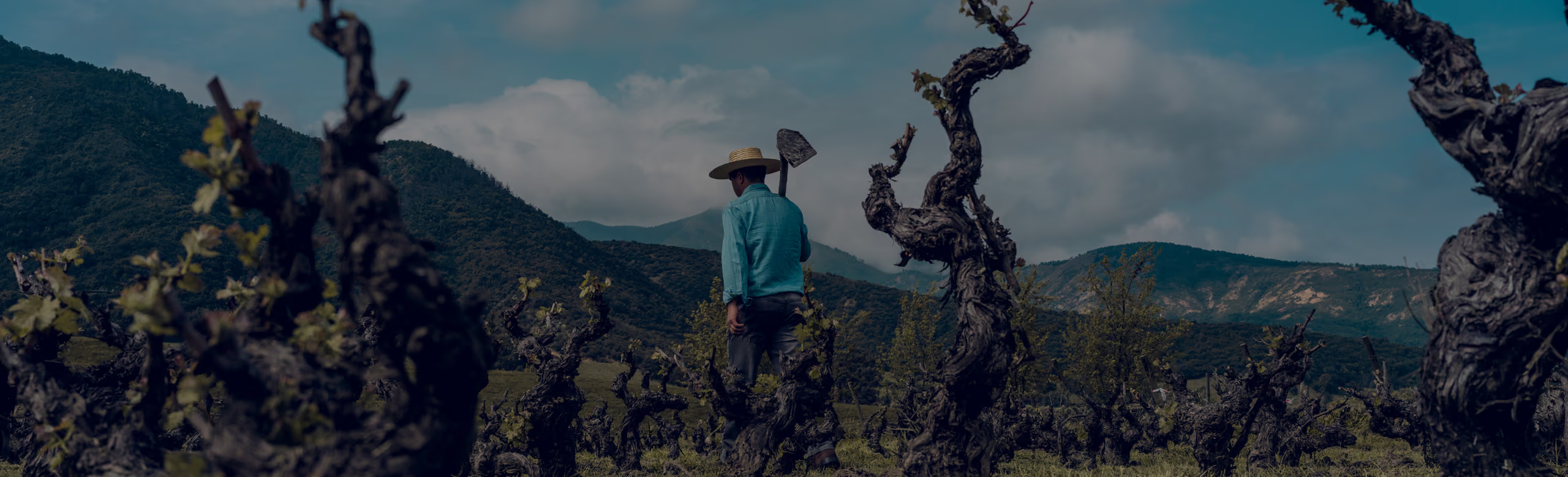

CHILE AS A DESTINATION
Chile: a unique destination between the Andes and the Pacific
Stretching along the western edge of South America, Chile is defined by an extraordinary geography, bordered by the Andes Mountains to the east and the Pacific Ocean to the west.
Its remarkable length creates an exceptional diversity of climates, landscapes and ecosystems, from the Atacama Desert in the north to Patagonia in the south.
Chile combines modern infrastructure, strong international connectivity and along-standing export-oriented economy, while its natural environment and distinctive geography have shaped a unique identity closely connected to agriculture, gastronomy, wine and tourism.
Key figures
Internationally recognized for the quality and diversity of its wines, Chile is one of the world’s leading wine-producing and exporting countries.
*
Source
:
Wines of Chile
**
Source:
SAG / ODEPA, 2026

4th
largest wine exporter in the world.*

949.5
million litres
of wine produced in 2026.**
Chile as a wine-producing country
One of the world’s leading wine-producing countries
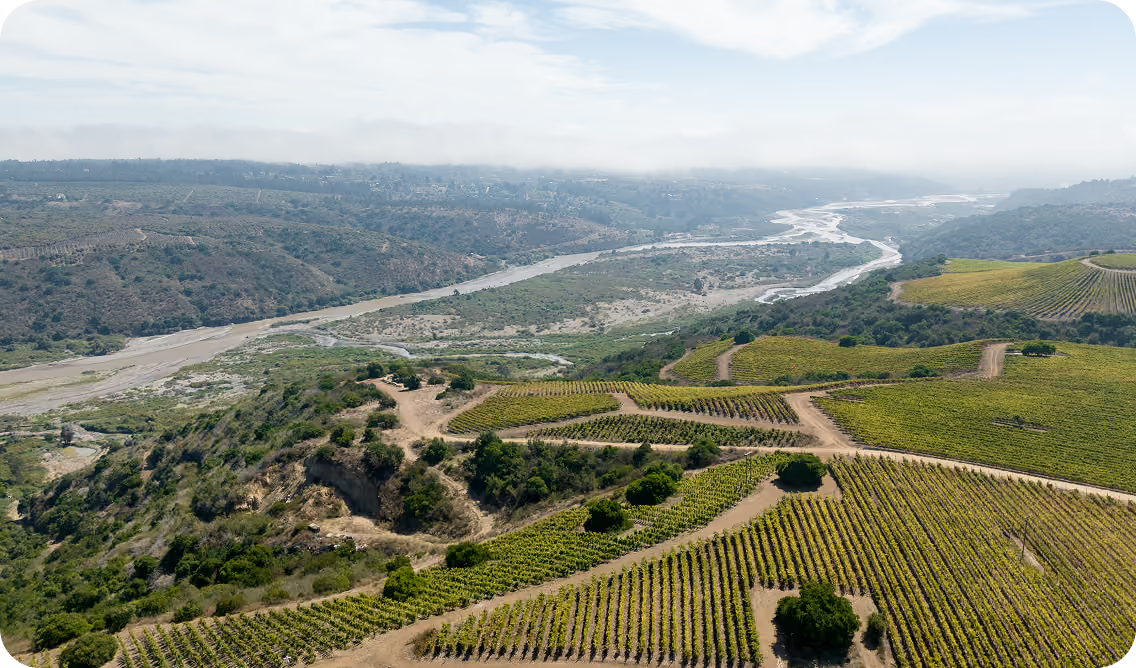
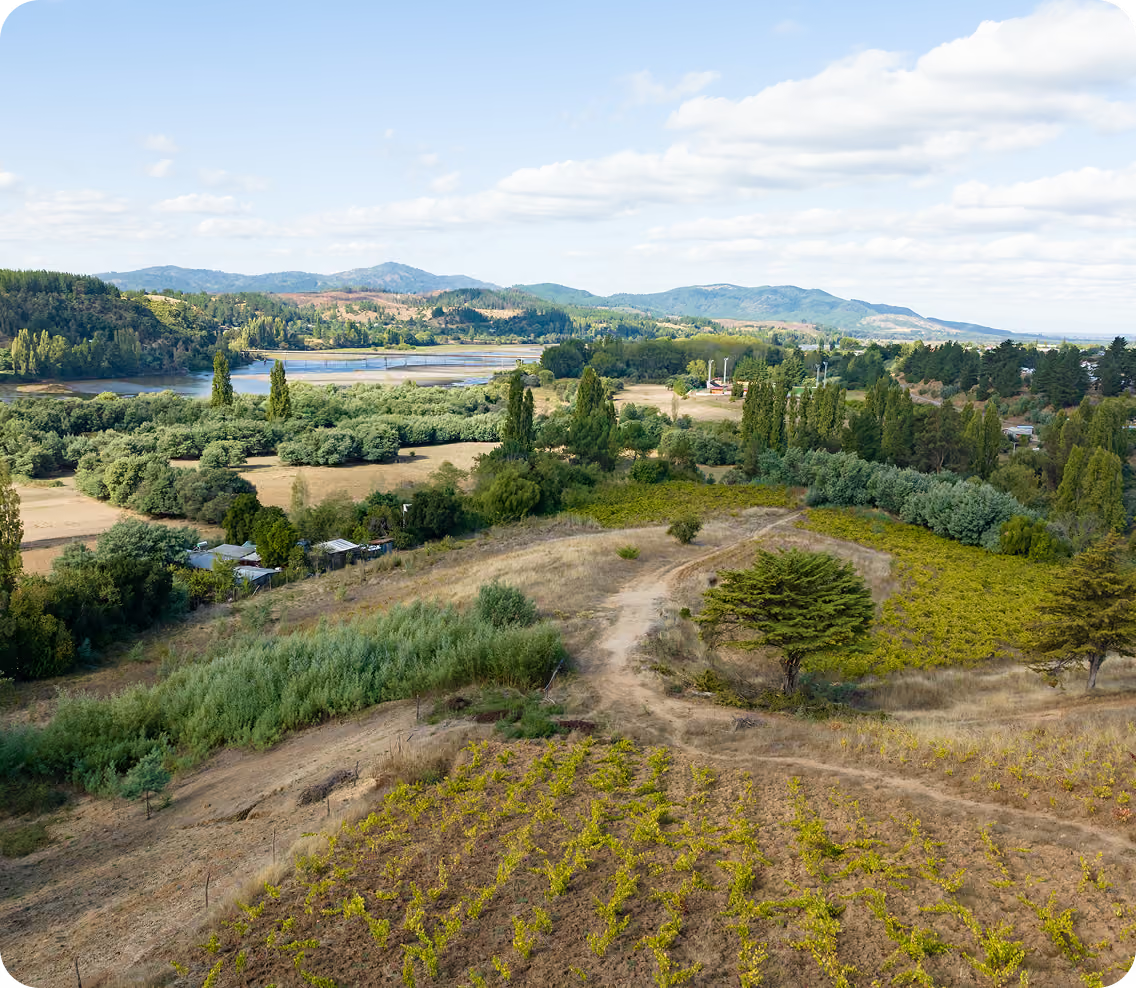
Chile is one of the world’s most established wine-producing countries, with a viticultural tradition shaped by its unique geography between the Andes Mountains and the Pacific Ocean.
In 2026, the country produced approximately 950 million litres of wine and had around 116,962 hectares of vineyards, extending across a remarkable diversity of climates and terroirs.
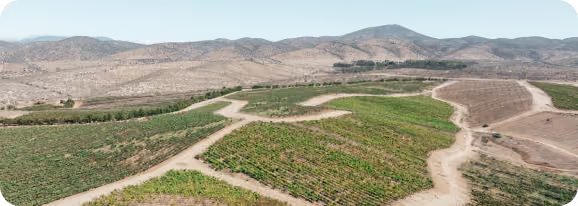
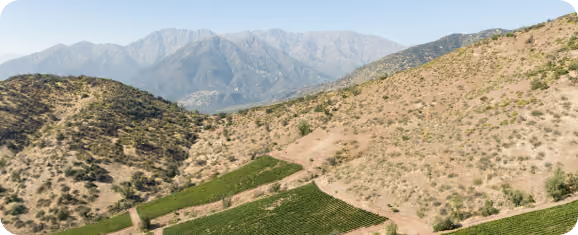
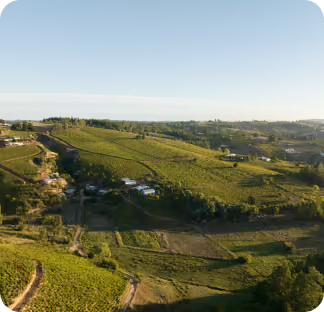
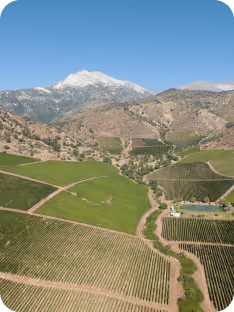
The Metropolitan and Valparaíso regions offer a distinctive cross-section of Chilean viticulture, from the historic vineyards of the Maipo Valley near Santiago to the cool-climate vineyards of Casablanca, shaped by the influence of the Pacific Ocean.
Main grape varieties in Chile
Chile is home to a remarkable diversity of grape varieties, shaped by its long viticultural tradition and wide range of climates and terroirs.
Cabernet Sauvignon is the country’s most widely planted wine grape, covering approximately 32,089 hectares and representing 27% of Chile’s wine-grape vineyard area. Carménère, rediscovered in Chile in the 1990s, has become one of the country’s most distinctive and internationally recognized varieties.
Other major cultivars include Sauvignon Blanc (12%), País (9%), Merlot (8%) and Chardonnay (8%).

Red varieties
Cabernet Sauvignon, Carménère, País, Merlot, Syrah, Pinot Noir, Cabernet Franc and Malbec.

White varieties
Sauvignon Blanc, Chardonnay, Moscatel de Alejandría, Riesling, Viognier, Pinot Gris and Gewürztraminer, among others.
Source: SAG, National Vineyard Registry 2024.
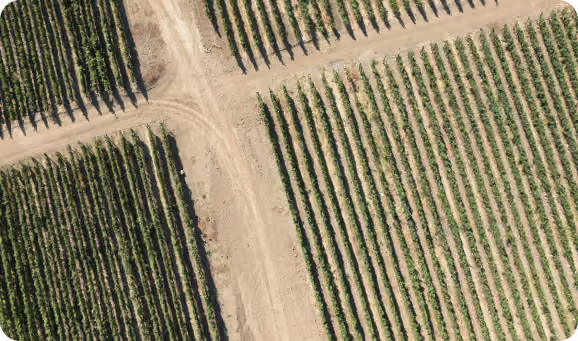
Explore the hosting regions of Vinexpo Explorer